National Pantheon in Santo Domingo
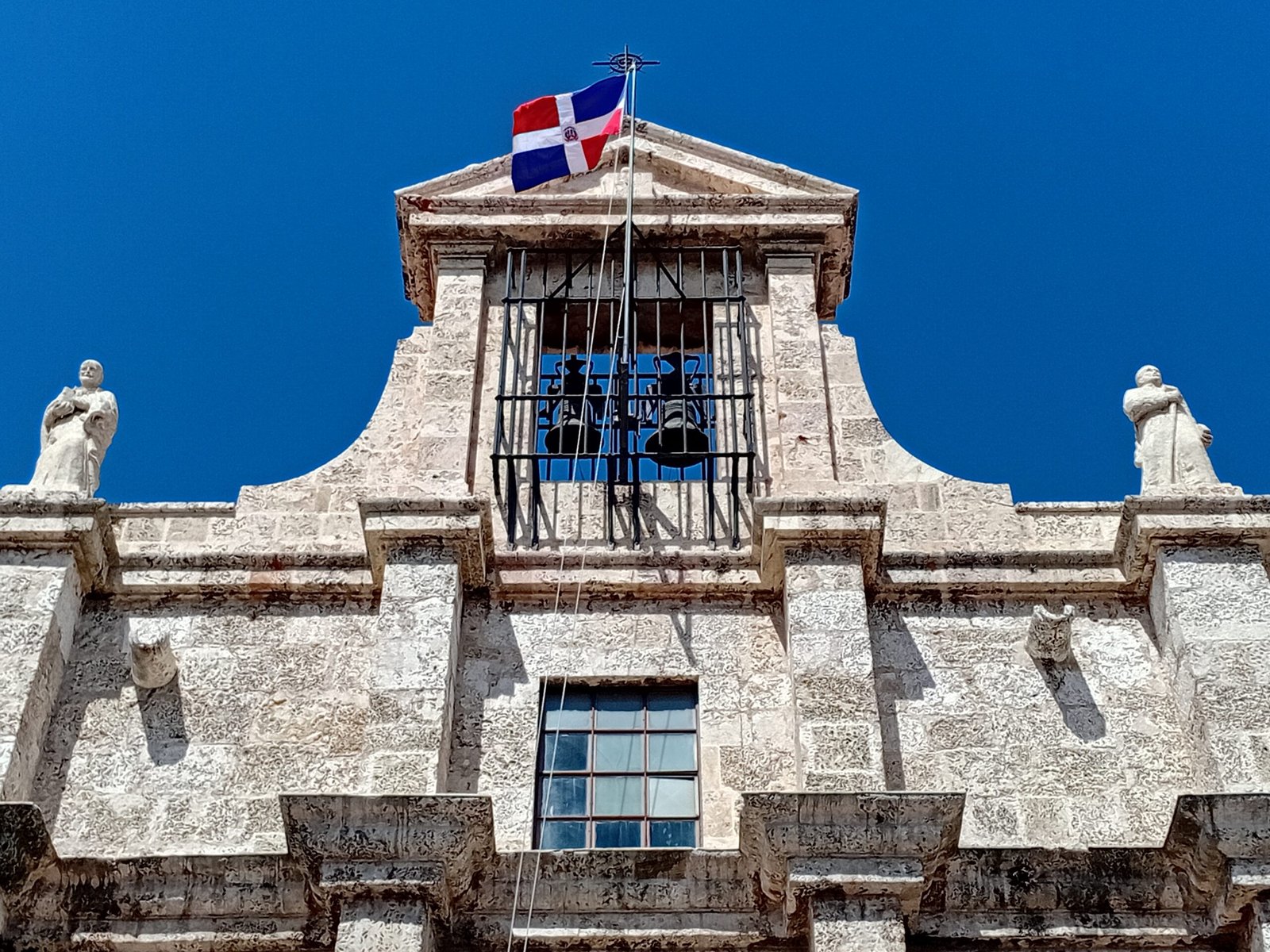
The National Pantheon in Santo Domingo is one of the most emblematic historical sites in the Dominican Republic.
Located in the heart of the Colonial City, this impressive monument connects visitors with the people and events that shaped the nation. For travelers, university groups, and students, it offers an opportunity to explore Dominican history through the stories of heroes whose remains rest within its walls.
From Church to National Pantheon
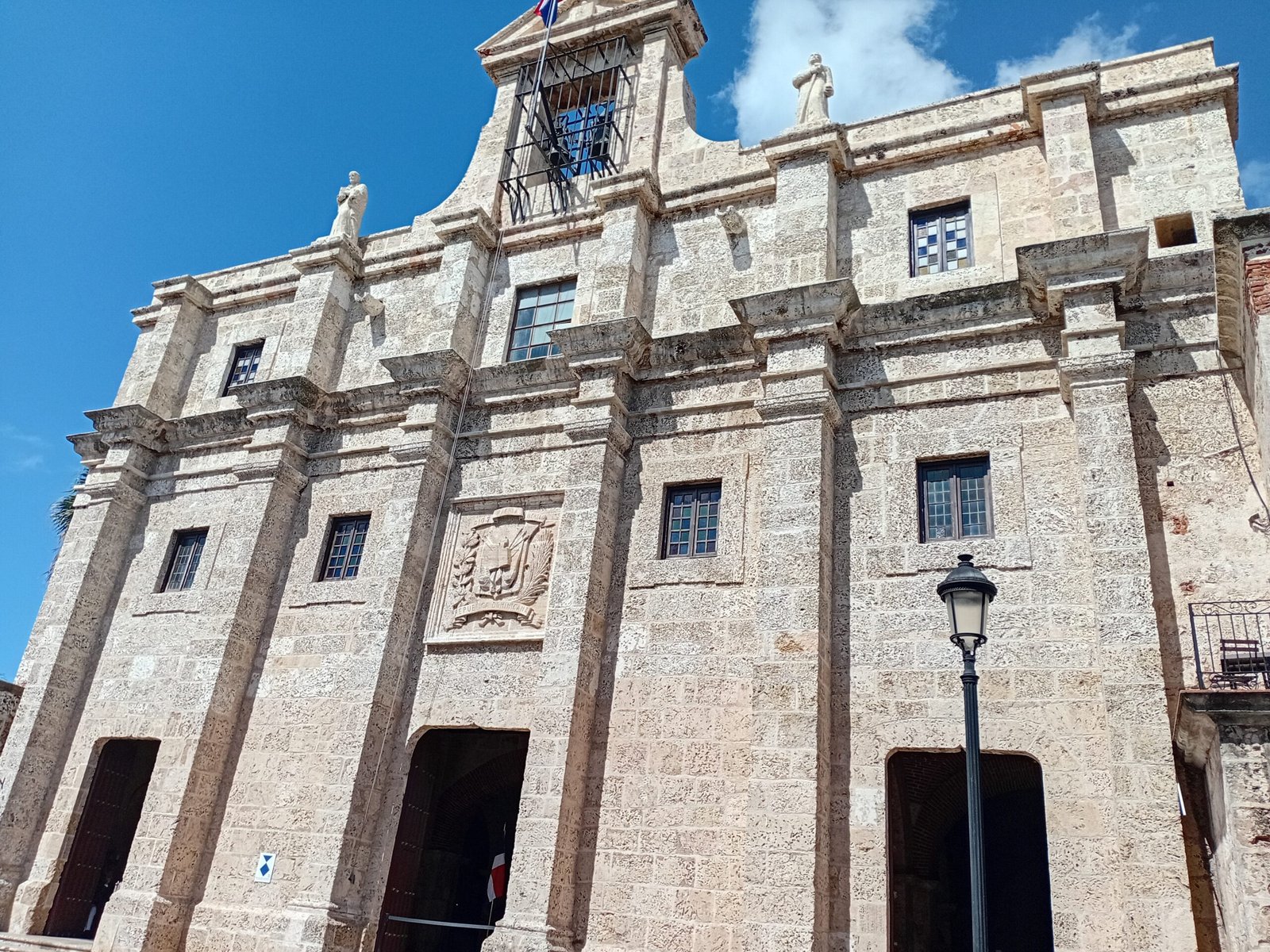
The history of the building goes back to the eighteenth century. Construction began in 1717, when the building served as a church for the Jesuit community. The work continued for many years, and the church was completed in 1745.
Its purpose changed several times over the following centuries. During the French period, the building served as a warehouse. Later, it became a market and eventually a theater. In the twentieth century, the Dominican government decided to transform the historic building into a national mausoleum. Restoration work preserved important elements of the original architecture while giving the building a new national purpose.
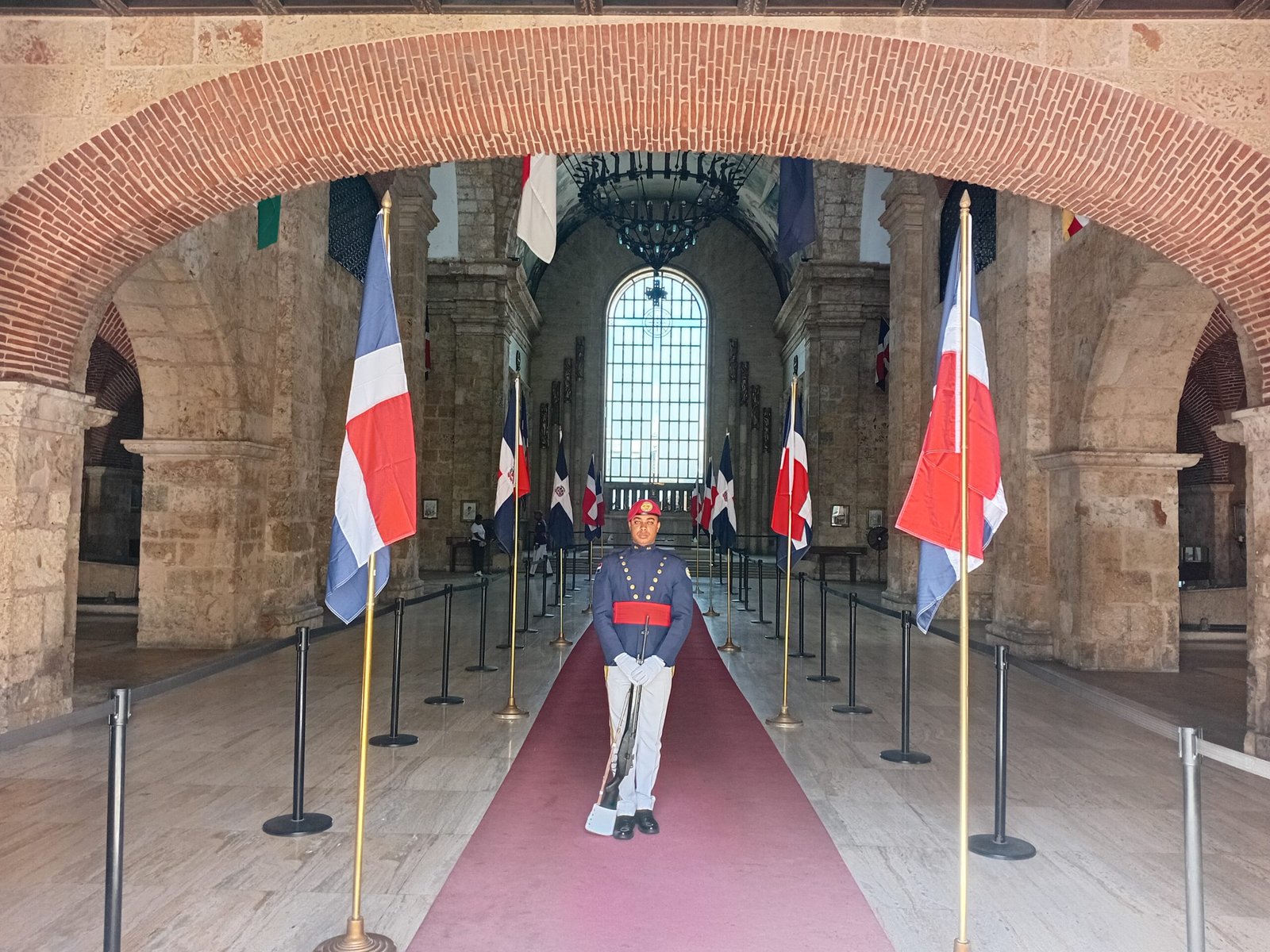
The building officially became the Panteón de la Patria in 1956. Since then, it has become an important site of honor for the most influential people and heroes in the Dominican history.
Who Is Honored Here?
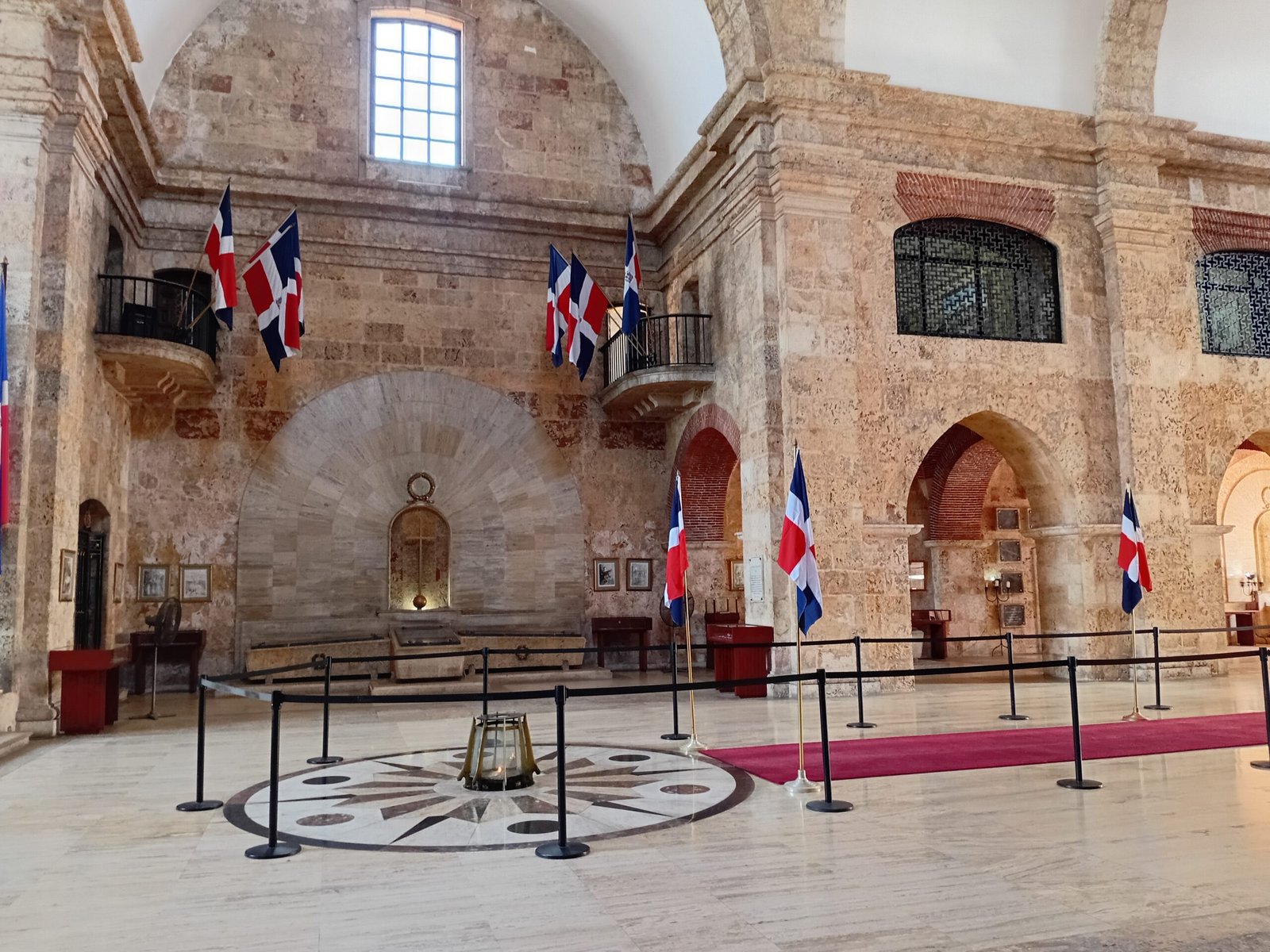
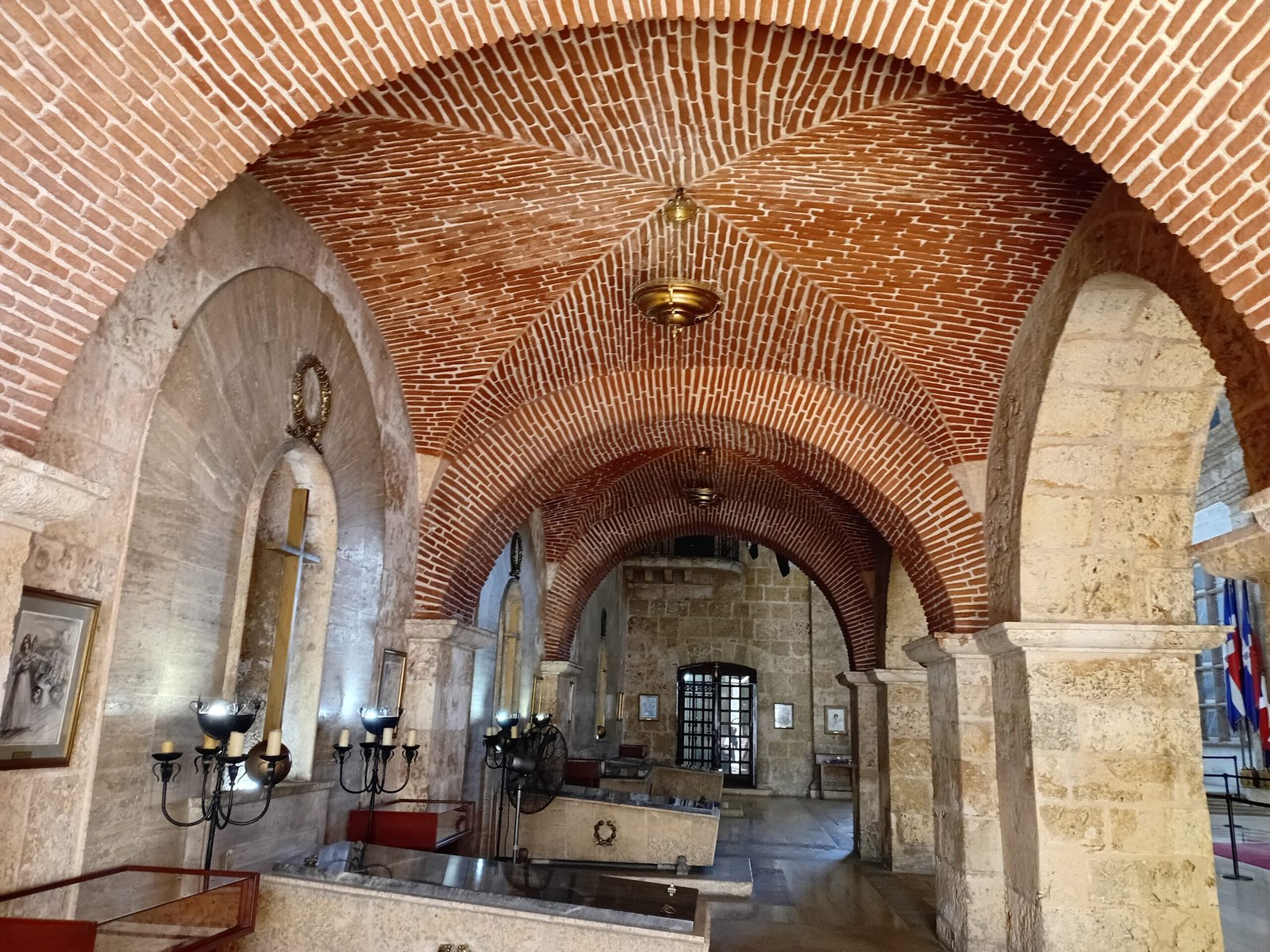
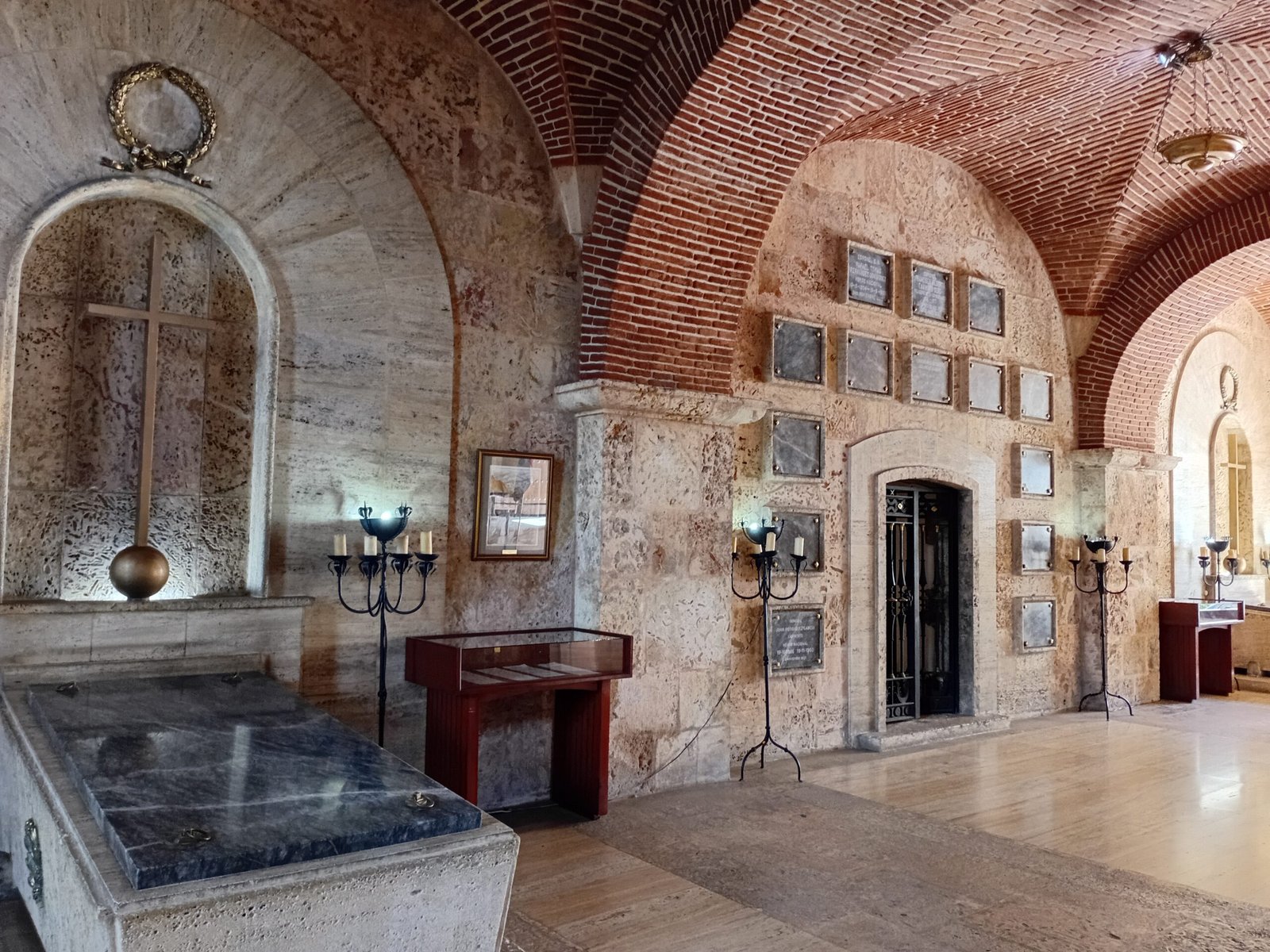
A visit to the National Pantheon in Santo Domingo highlights the lives of those who played important roles in the development of the country. The Pantheon honors military leaders, independence figures, political personalities, educators, writers, and other prominent Dominicans. Several names are closely connected with the struggle for independence and the Restoration of the Republic. Gregorio Luperón, Santiago Rodríguez, Benito Monción, Gaspar Polanco, and José María Cabral are among the historical figures associated with this period. Women also have an important place in the country's national memory. María Trinidad Sánchez and Concepción Bona are among the women honored at the Pantheon.
For foreign visitors, these names may not mean much without explanation. A local guide can provide the historical context and explain why each person became part of the national memory.
More Than a Historical Monument
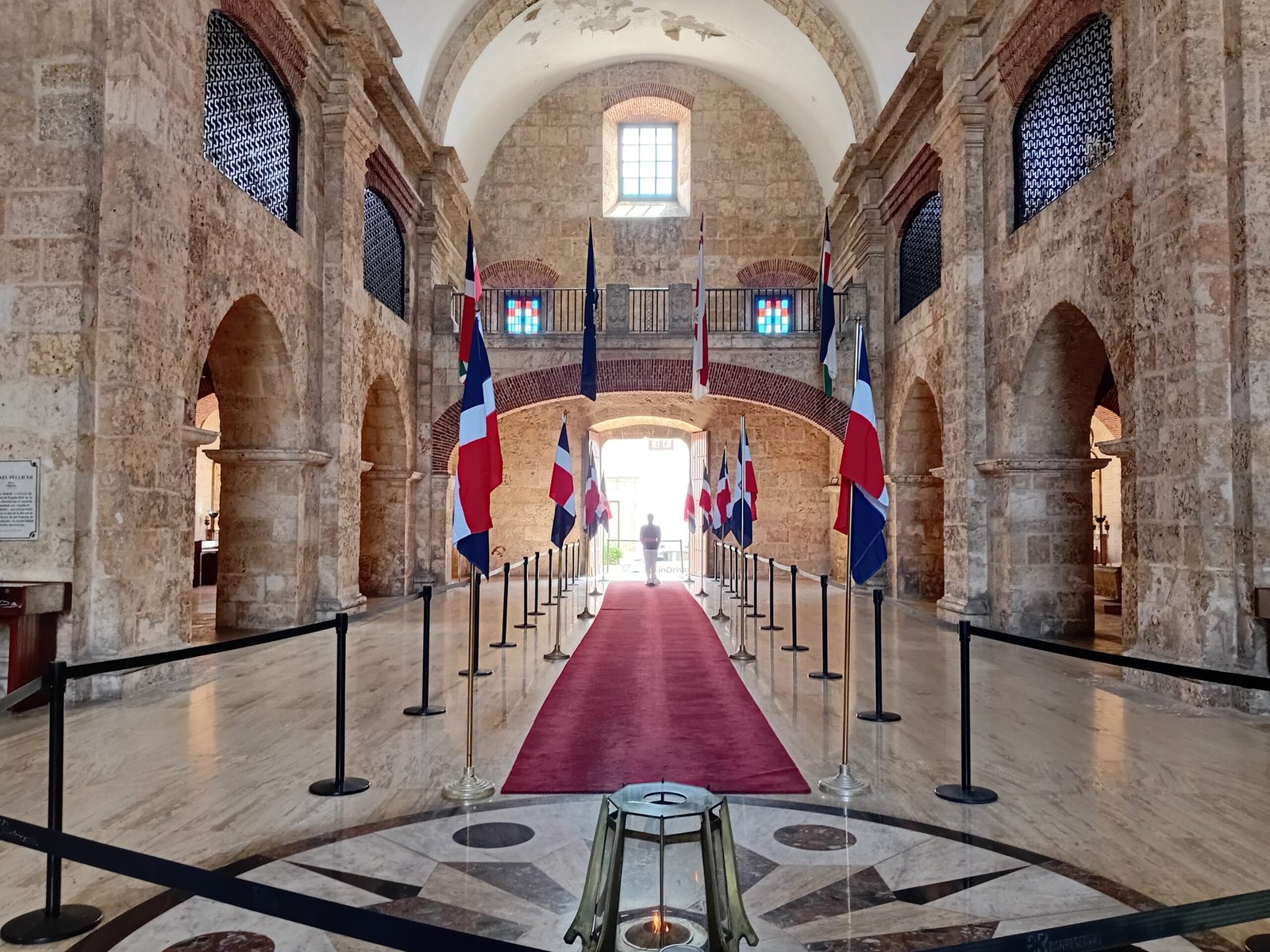
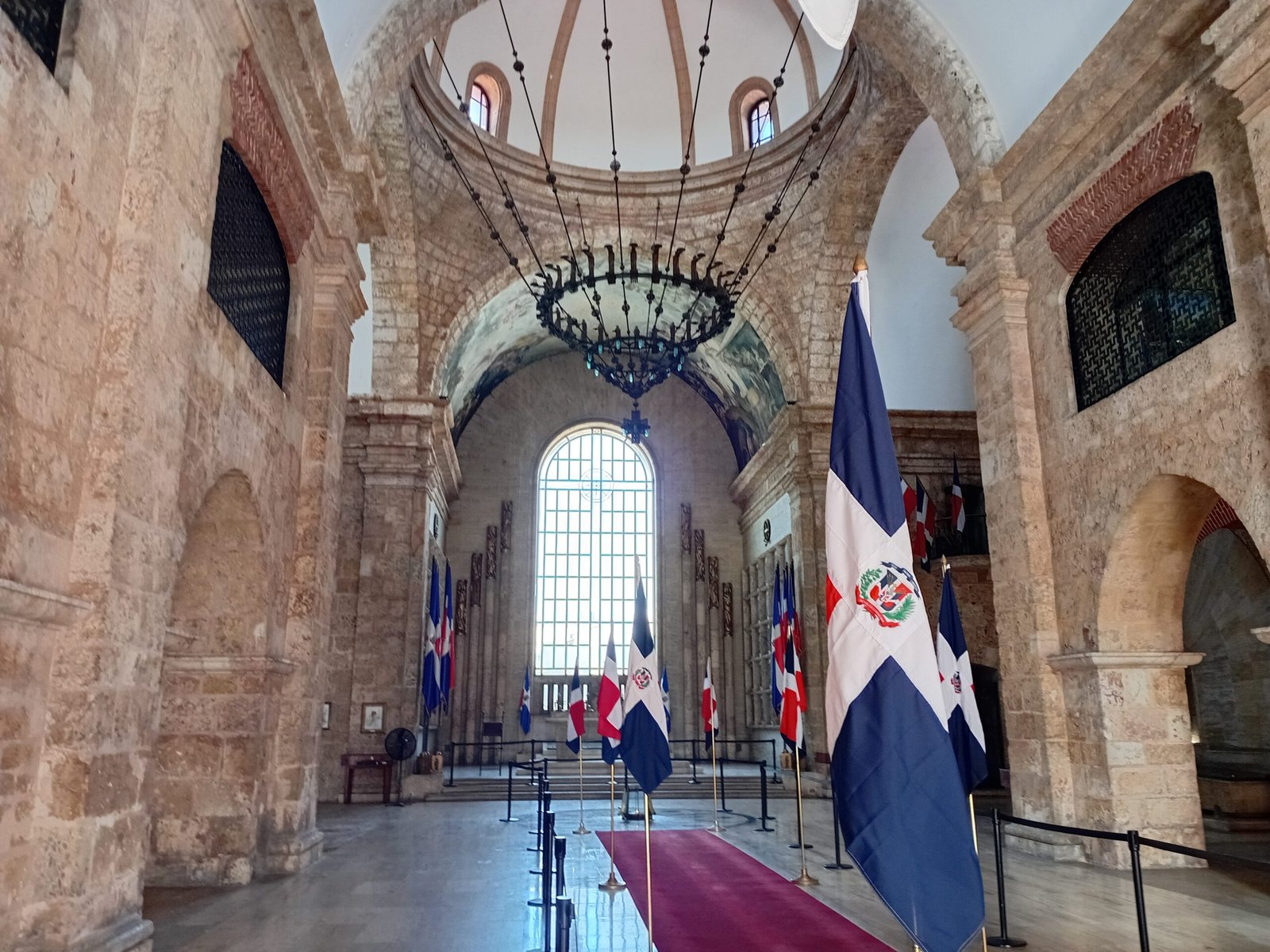
The building itself is an important part of the visit. The former church has coral-stone walls, three naves, and a central dome. Its architectural character reflects its religious origins, while the monuments and symbols inside represent its later role as a national mausoleum.
The eternal flame is one of the most recognizable features of the interior. It symbolizes the continuing memory of the people honored in the Pantheon. These details can make the visit particularly interesting for travelers who want more than a quick photograph. Understanding the meaning behind the architecture adds another dimension to the experience.
A Valuable Stop for Student Tours
The National Pantheon in Santo Domingo can also be an excellent stop during educational tours. History becomes easier to understand when students can visit the places connected with the events they study. Instead of reading only about independence, the Restoration, and the development of Dominican national identity, students can explore these subjects in the setting where historical events took place. For trips for students, a visit to the Pantheon can form part of a broader academic program focused on Dominican history, culture, geography, or social development. It can also complement visits to other historical sites in the Colonial City. Students can compare different periods of Dominican history while walking between monuments and learning about the development of Santo Domingo.
Discover Dominican History with a Local Guide
The National Pantheon in Santo Domingo becomes much more meaningful when visitors understand the stories behind the names and monuments. An official local guide can explain the historical context in clear terms and adapt the visit to the interests of the group. University students may want a deeper discussion of independence and nation-building. School groups may benefit from a simpler introduction to Dominican history. Adult travelers may prefer to focus on the personalities and political events connected with the monument. A guided visit also creates an opportunity to ask questions and connect the Pantheon with other places visited during the trip. For travelers, universities, and groups looking for meaningful educational tours, the Pantheon can become part of a private Dominican journey that combines history, culture, nature, and local life.
What Else Can You Visit in Santo Domingo?
The Pantheon is located in an area of many important historical attractions. Travelers, students and other visitors can continue to Calle Las Damas, the oldest paved European street in the Americas, and visit the Ozama Fortress, the First Cathedral of America, and the Alcázar de Colón.
The Colonial City also offers something beyond monuments. Its plazas, narrow streets, cafés, shops, and everyday life allow visitors to experience Santo Domingo as a living city rather than simply an open-air museum. For private groups, these attractions can be combined according to the interests and age of the participants.
Beyond Santo Domingo
For groups planning study tours to the Dominican Republic, Santo Domingo can serve as the historical starting point for a much larger educational journey. The country offers opportunities to study different subjects in different regions. Students can explore marine ecosystems around Bayahibe and Saona Island, agriculture and rural communities, mountain environments, coastal areas, and the unique landscapes of the southwest. A multi-day educational program can combine classroom discussions, historical visits, cultural activities, environmental studies, and meetings with local communities. This allows students and travelers to discover how history, geography, culture, and everyday life are connected across the country.