Santo Domingo Colonial News
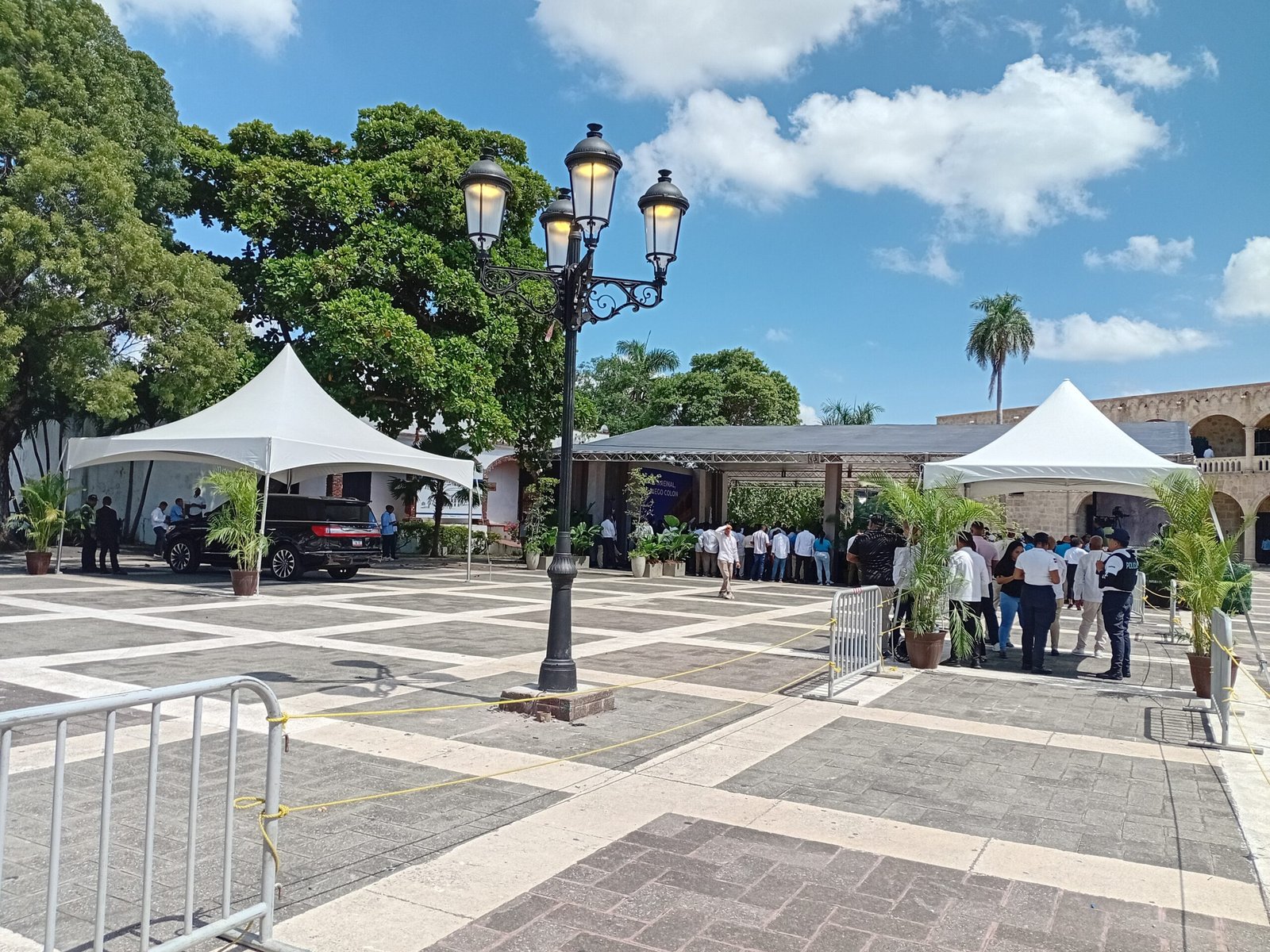
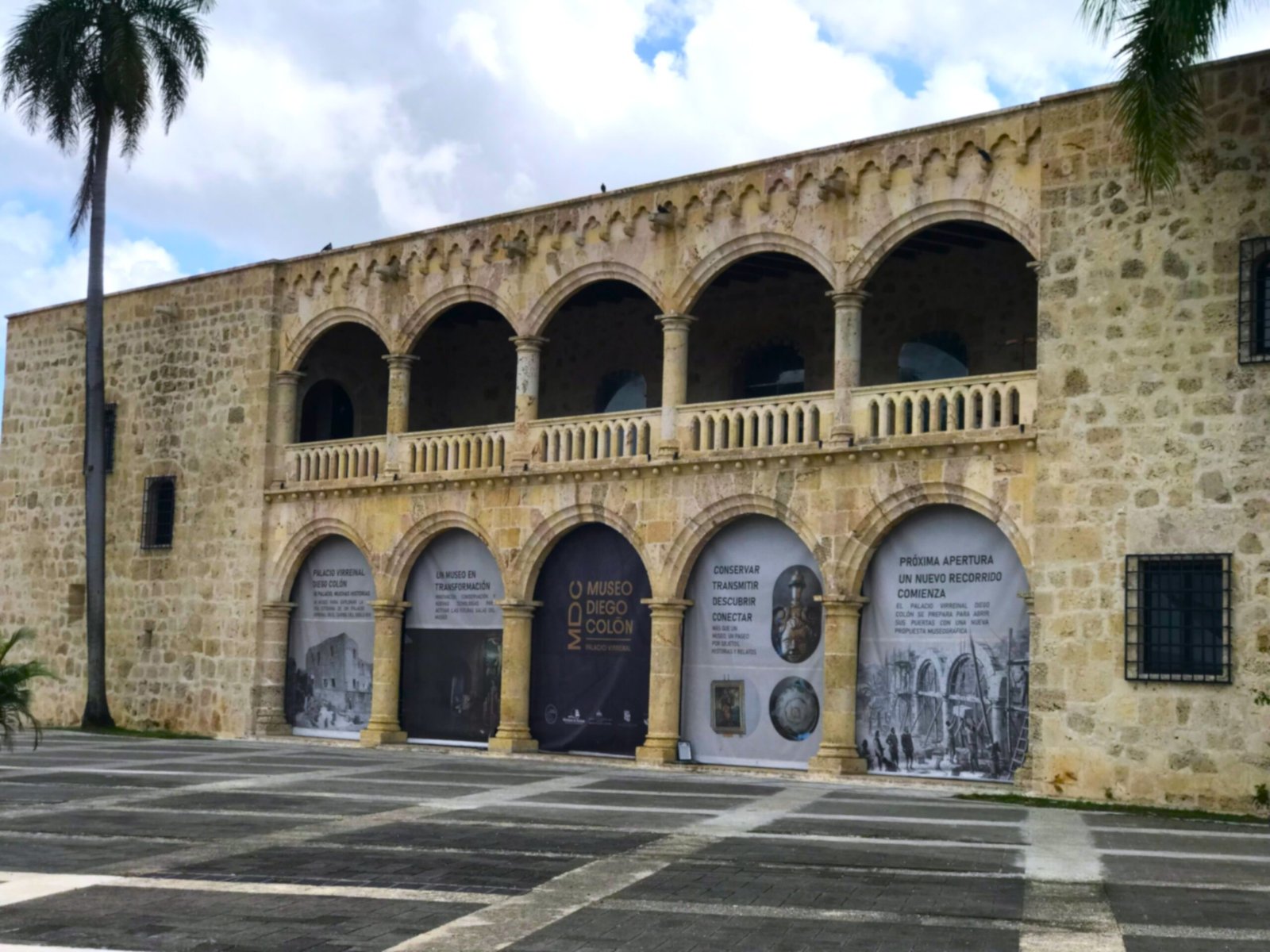
Santo Domingo Colonial News highlights two major projects recently presented in the historic center of the capital. President Luis Abinader inaugurated the restored Diego Columbus Alcázar Museum and launched a new electric bus route connecting the Colonial City with other areas of Santo Domingo. Together, the projects strengthen cultural tourism while supporting the preservation of historic heritage and more sustainable urban transportation.
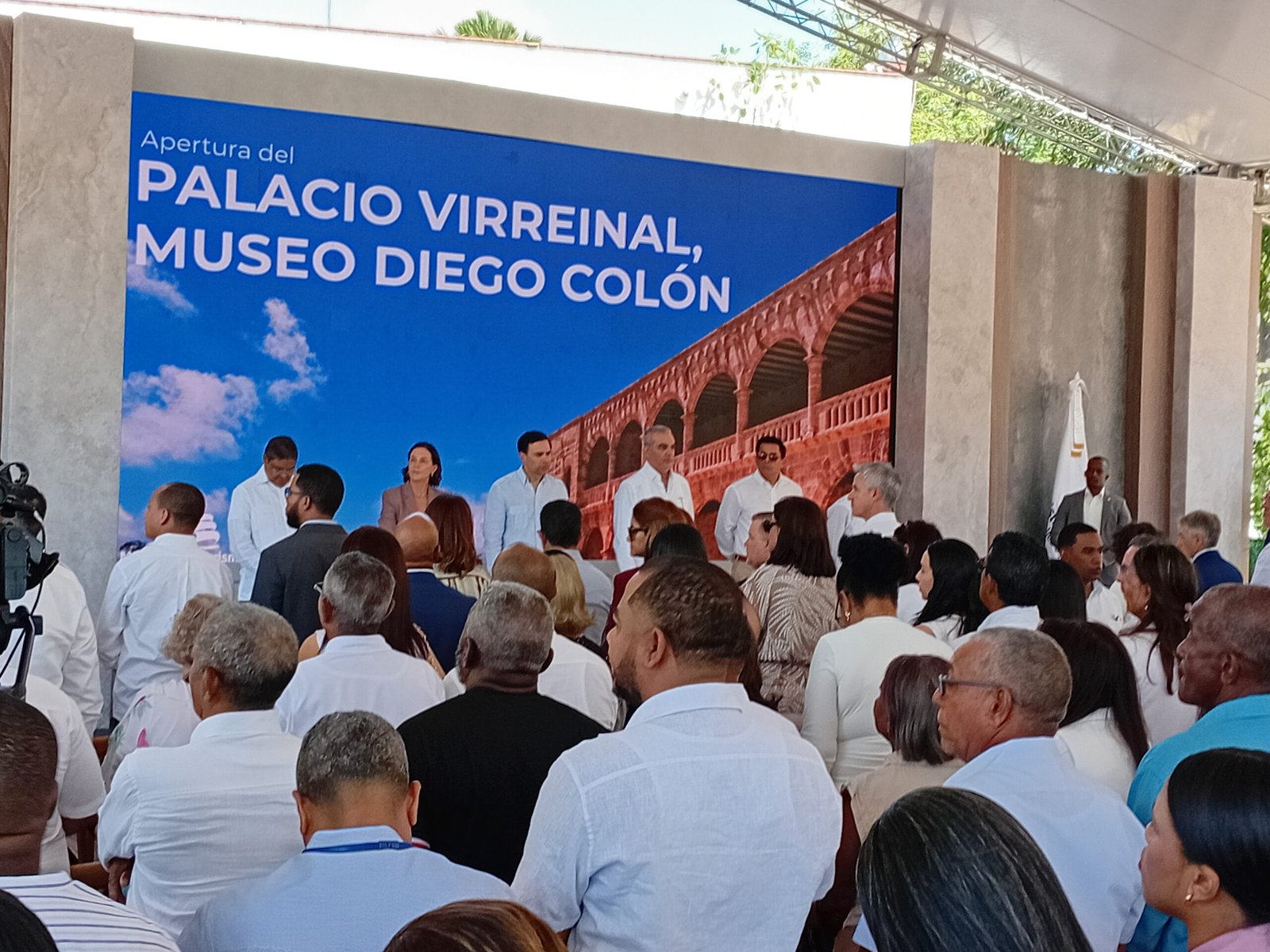
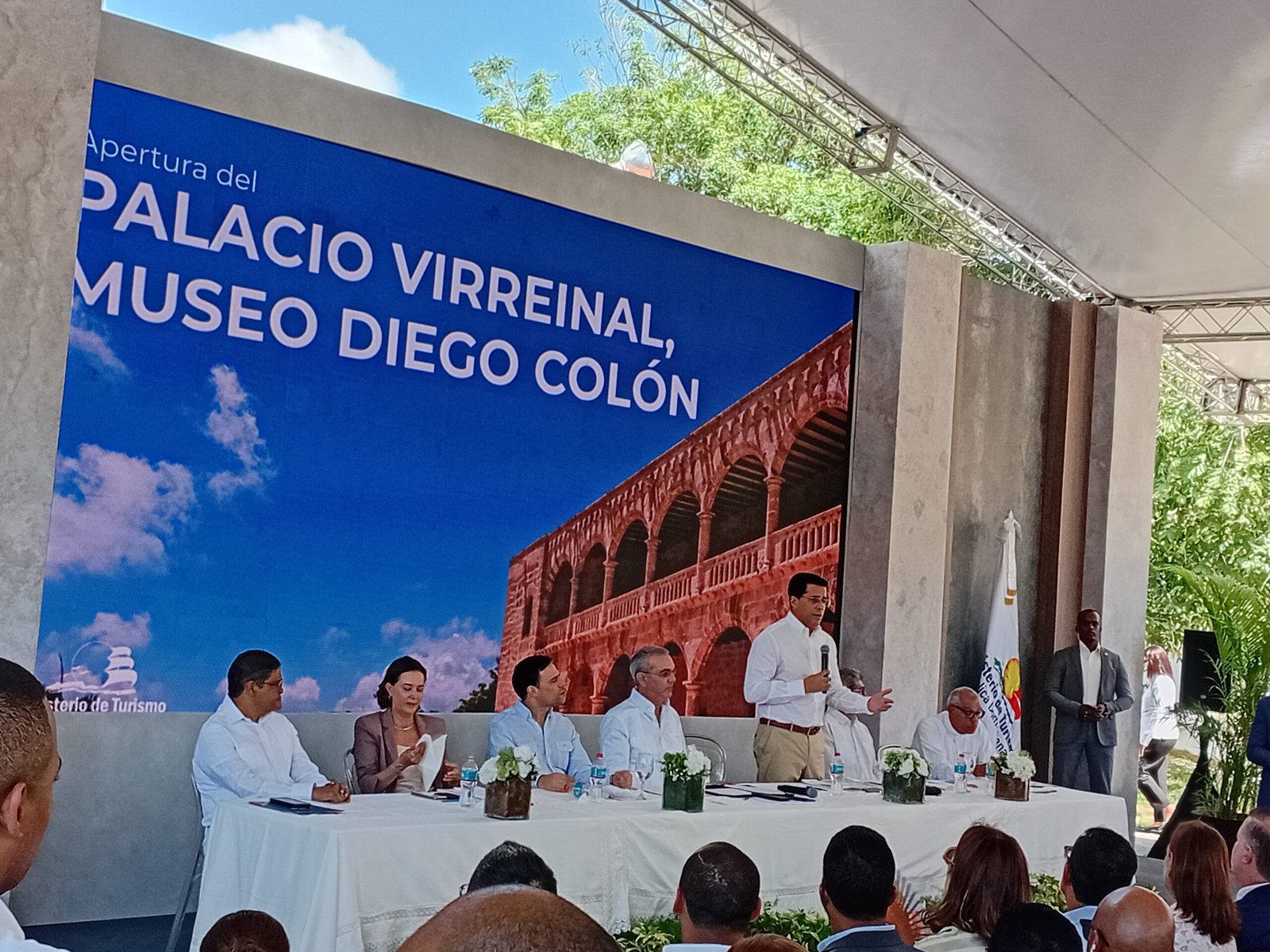
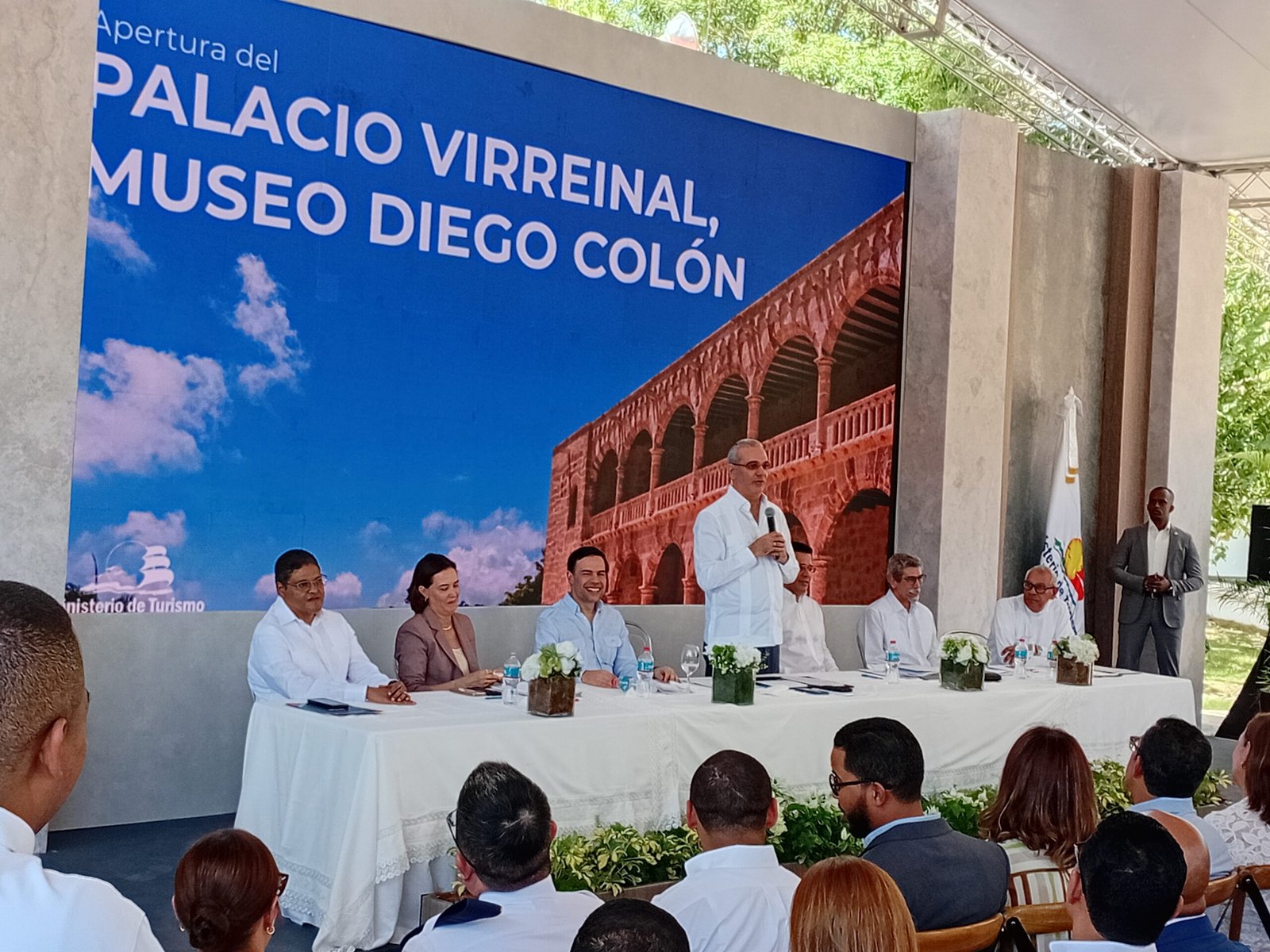
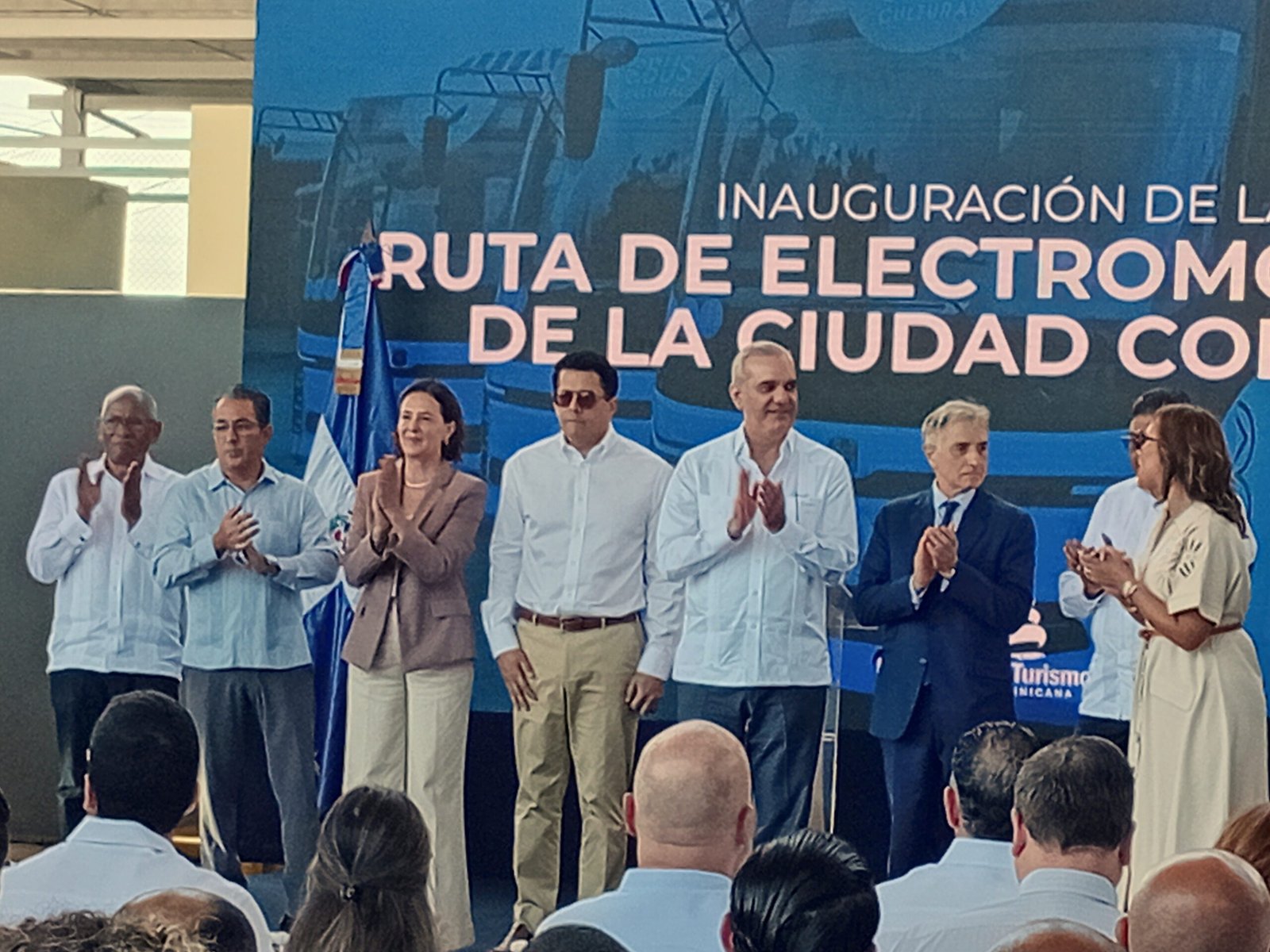
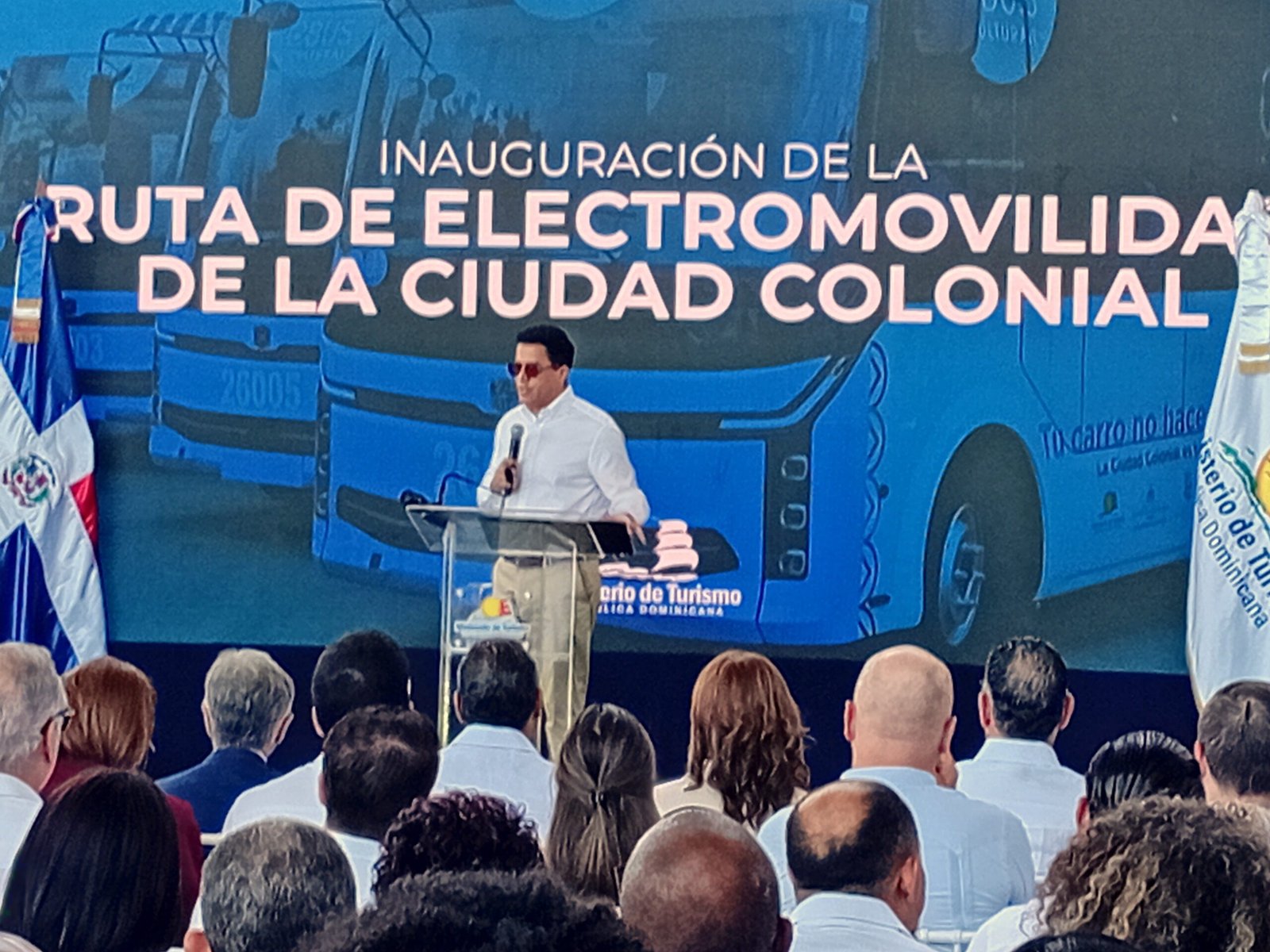
The inauguration brought together government officials and representatives from international organizations involved in the development of Santo Domingo. Tourism Minister David Collado and Culture Minister Roberto Ángel Salcedo joined President Abinader at the event. The restoration of the Diego Columbus Alcázar Museum adds a renewed cultural and educational attraction to the Colonial City, offering visitors an opportunity to explore an important part of Dominican history. At the same time, the new electric bus route creates a more sustainable connection between the historic district and other parts of the city, helping integrate cultural attractions into a broader urban route. Both initiatives contribute to ongoing efforts to preserve historic sites, expand cultural tourism, and improve mobility for residents and visitors in Santo Domingo.
Columbus Alcázar Reopens After Restoration
Santo Domingo Colonial News reports the reopening of the Columbus Alcázar after an extensive restoration, giving one of the most important historic monuments in the Colonial City a renewed role in cultural and educational tourism. The project included sanitation work, archaeological research, corrections to previous interventions, and a new museum display featuring modern technology.
The Ministry of Tourism invested RD$100 million, while the Inter-American Development Bank (IDB) contributed US$3 million toward the museum display. During the reopening ceremony, President Luis Abinader highlighted the educational value of the Alcázar and expressed the hope that the museum would attract tourists, students, families, and Dominicans interested in the history of the Dominican Republic. The restoration forms part of a broader preservation program covering monuments, churches, historic homes, public spaces, and building facades. The Ministry of Tourism has also supported restoration work at the Puerta de la Misericordia, 13 churches, the National Pantheon, and the Museum of the Royal Houses. The program also includes the recovery of up to 140 historic homes, the painting of more than 130 facades, and financial support of up to US$10,000 for local businesses.
A New Electric Bus Route
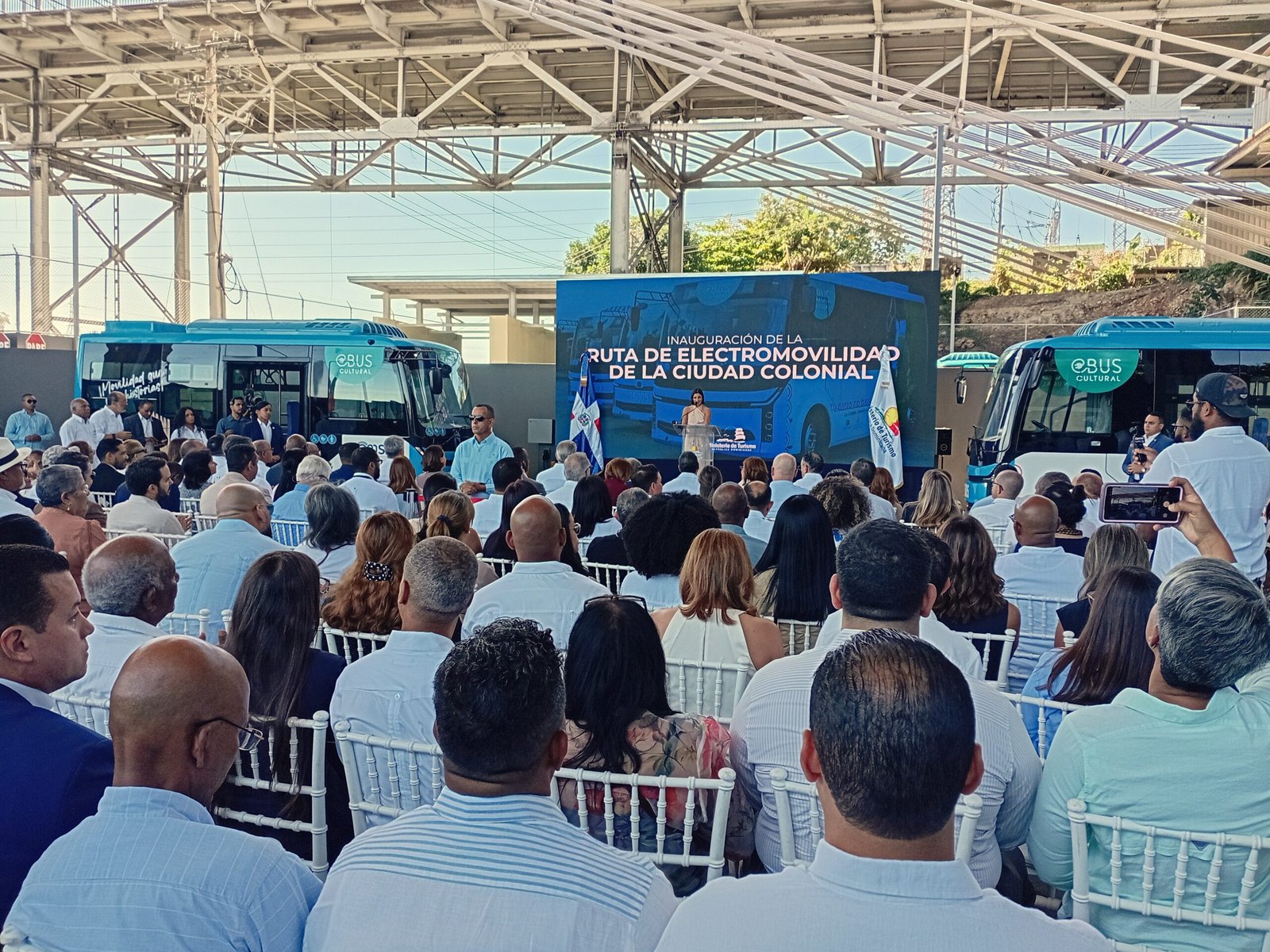
Santo Domingo Colonial News also highlights a new Electric Bus Route connecting the Colonial City with surrounding areas. The pilot project introduces five electric buses and is expected to benefit more than 40,000 people, including residents and visitors exploring Santo Domingo.
The route covers 12.4 kilometers with 31 stops. Seventeen stops are located within the Colonial City, while 14 connect the historic district with nearby areas. The new service makes it easier for visitors to reach historic landmarks, museums, churches, restaurants, and other cultural attractions. Each bus carries up to 22 passengers and includes wheelchair ramps, dedicated wheelchair spaces, and priority seating for people with disabilities, reduced mobility, and older adults. These features support a more accessible tourism experience. The project aims to reduce emissions and traffic noise while improving air quality in the historic district. Cleaner and quieter transportation can also enhance the visitor experience and support sustainable tourism in Santo Domingo. The European Union contributed more than RD$71 million, while the Inter-American Development Bank (IDB) provided more than RD$98 million. The funding covers five electric buses, charging equipment, and improvements to the charging facility. The Metropolitan Office of Bus Services (OMSA) will operate the route, while the National Institute of Transit and Land Transportation (Intrant) will regulate the service. Tourism Minister David Collado also announced plans to acquire five additional electric buses, further expanding sustainable mobility and access to tourism attractions in the historic district.
Preserving Heritage and Better Connection
History and sustainable mobility are coming together in the Colonial City of Santo Domingo. The restoration of the Columbus Alcázar and the launch of a new electric bus route introduce two important improvements that can enrich the experience of exploring Santo Domingo. The Alcázar restoration protects an important part of Dominican history, while the new electric buses provide cleaner transportation for residents, workers, and visitors traveling through the area. European Union Ambassador to the Dominican Republic Raúl Fuentes Milani highlighted the importance of sustainable transportation in a city recognized as a UNESCO World Heritage Site. The Inter-American Development Bank (IDB) also emphasized the connection between mobility, urban development, and tourism.
The broader program includes improvements to historic buildings, homes, public spaces, and transportation infrastructure. For visitors, these improvements can make exploring the Colonial City more convenient. The restored Alcázar offers a renewed opportunity to discover Dominican history, while the electric bus route provides easier access to the historic district and nearby attractions.
Why It Matters for Travelers
The reopening of the Columbus Alcázar adds a renewed attraction to Santo Domingo, while the new electric bus route provides a cleaner and more convenient way to reach the Colonial City. Together, these projects support educational tourism in Santo Domingo. Students can visit museums and historic monuments as part of educational travel programs, while other travelers can combine the Alcázar with churches, plazas, historic architecture, and other landmarks. For visitors looking beyond the beaches, the Colonial City offers another way to experience the Dominican Republic. Historic streets, museums, churches, public squares, and everyday city life create a destination where the past connects with modern Dominican life. This latest Santo Domingo Colonial News reflects an ongoing transformation: preserving historic landmarks while improving infrastructure for residents and visitors. The combination of restored heritage and sustainable transportation creates new opportunities to explore Santo Domingo and discover the history of one of the Caribbean region’s most important historic cities.
September 28, 2026 – Santo Domingo, Dominican Republic. Pro Academ Tours RD – Authentic Dominican Travel Experience.